
Table of Contents
- Why Electrical Safety Matters for Seniors
- Inspect Cords, Plugs, and Outlets Regularly
- Signs of Faulty Electrical Wiring in Your Home
- Why Do Breakers Keep Tripping? Understanding Overloaded Circuits
- Prevent Electrical Fire Hazards and Shock Risks
- Electrical Panel Safety Inspection: What You Need to Know
- Reduce Tripping Hazards and Improve Accessibility
- When to Call a Qualified Electrician
- Frequently Asked Questions
Last Updated: September 23, 2026
Electrical Safety Tips for Seniors: A Practical Guide
Electrical hazards are a leading cause of home injuries and fires, particularly for older adults who may spend more time at home or have reduced mobility. Simple oversights like frayed cords, overloaded outlets, and tripping hazards can turn a routine day into a medical emergency. At Dead On Electrical Services, we’ve worked with homeowners throughout the Las Vegas Valley to identify and fix these risks before they become problems.
Why Electrical Safety Matters for Seniors
Falls from tripping on cords, electrical shocks, and fires from faulty wiring are real threats in any home. Seniors face higher risk because of reduced vision, balance changes, and mobility limitations. A damaged extension cord or overloaded power strip might go unnoticed until it causes injury or fire.
Inspect Cords, Plugs, and Outlets Regularly
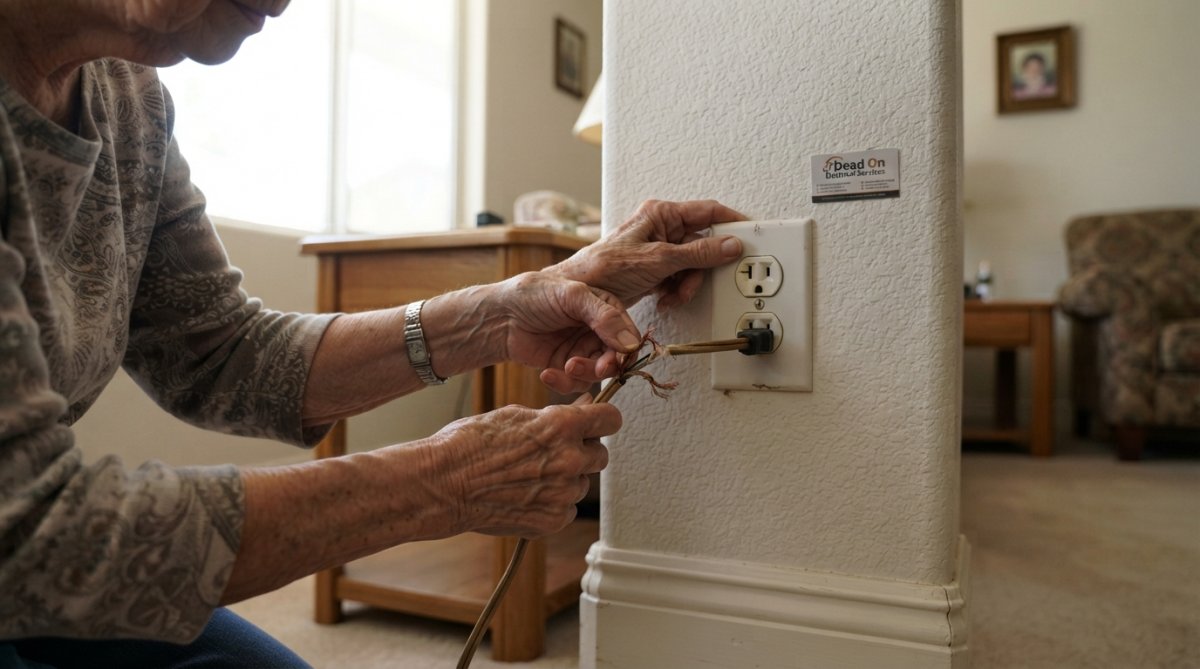
Damaged cords and plugs are among the easiest hazards to spot and fix. A quick monthly inspection takes just a few minutes and catches problems early.
What to Look For
Check every cord and plug in active use. Look for these warning signs:
- Frayed or cracked insulation, bare wires are a shock and fire risk
- Bent or damaged plugs, can cause arcing and overheating
- Discoloration or scorch marks, sign of heat damage or short circuits
- Kinks or pinches, or crushed cord insulation can damage the conductors and create a shock or fire hazard.
- Loose connections, plugs that don’t fit snugly in outlets
When to Replace or Repair
Never repair a damaged cord with tape. Replace it.
Damaged cords cannot be safely patched. Electrical tape is a temporary fix at best and creates a false sense of security. If a cord shows wear, remove it from service immediately. Buy a replacement rated for the same amperage and voltage as the original.
For outlets, look inside for:
- Burn marks or discoloration around the Electrical outlet installation opening
- Loose or cracked receptacles
- Outlets that don’t hold plugs firmly
Signs of Faulty Electrical Wiring in Your Home
Faulty wiring is harder to spot than a damaged cord, but warning signs are usually visible or audible.
Common Warning Signs
Watch for these indicators:
- Flickering or dimming lights, especially when other appliances run
- Outlets or switches that are warm to the touch, sign of resistance and heat buildup
- A burning smell near outlets or the electrical panel, call a professional immediately
- Outlets that spark when you plug something in, do not use that outlet
- Frequently tripped breakers, indicates overload or a short circuit
- Buzzing sounds from the panel or outlets, loose connections cause this
Any of these signs means you need a professional inspection. Dead On Electrical Services can diagnose the problem and recommend repairs.
Older Homes and Outdated Systems
Homes built before the 1980s often have outdated wiring and panels. If your home has:
- Aluminum wiring, common in the 1970s, it oxidizes and creates dangerous connections
- Two-prong outlets only, no ground protection
- Fuses instead of circuit breakers, may indicate an aging electrical system that should be evaluated for condition, capacity, and modern safety requirements.
- A panel rated below 100 amps, may not safely handle modern appliances
Why Do Breakers Keep Tripping? Understanding Overloaded Circuits
Repeated tripping can be caused by an overloaded circuit, faulty appliance, damaged wiring, ground fault, or failing breaker and should be professionally diagnosed.
Common Causes of Tripping Breakers
Breakers trip to protect your home from fire and electrical damage. Common reasons include:
- Too many appliances on one circuit, microwave, coffee maker, and toaster running simultaneously overload the circuit
- A faulty appliance drawing excess current, the appliance, not the circuit, is the problem
- Damaged wiring or insulation, creates a short circuit
- A failing breaker, breakers wear out and become oversensitive
- GFCI outlets that detect ground faults, working as designed, but indicates a problem
When Tripping Becomes a Safety Issue
Occasional tripping is annoying. Frequent tripping is dangerous.
If a breaker trips more than once a month, do not ignore it or keep resetting it. Call a licensed electrician. Repeated tripping indicates either an overloaded circuit that needs to be split into two circuits, or a wiring fault that needs repair.
Prevent Electrical Fire Hazards and Shock Risks
Most electrical fires start in walls, behind appliances, or inside outlets where you can’t see them. Prevention requires attention to how you use electricity every day.
Managing Extension Cords and Power Strips Safely
Extension cords and power strips are temporary solutions, not permanent wiring. Use them correctly:
- Never run extension cords under rugs or through walls, heat builds up and insulation breaks down
- Do not daisy-chain power strips, plugging one strip into another overloads the first outlet
- Keep cords away from water and moisture, use outdoor-rated cords for exterior use
- Check that power strips have surge protection if you’re plugging in sensitive electronics
GFCI Protection in Wet Areas
GFCI stands for ground fault circuit interrupter. These GFCI outlets detect when electricity takes an unintended path (like through water or a person) and shut off power in milliseconds. They’re essential in bathrooms, kitchens, laundry rooms, and anywhere near water.
- Water splashed on an outlet or appliance
- A damaged appliance cord
- Moisture inside the outlet box
Appliance Safety and Heat Dissipation
Appliances generate heat. If that heat cannot escape, fires start.
- Keep toasters, coffee makers, and space heaters at least 3 feet from curtains, papers, and other flammable materials
- Never cover a space heater with blankets or place it in a closet
- Clear dust and lint from appliance vents regularly, clogged vents trap heat
- Do not leave space heaters running unattended, especially at night
- Unplug appliances when you leave home for extended periods
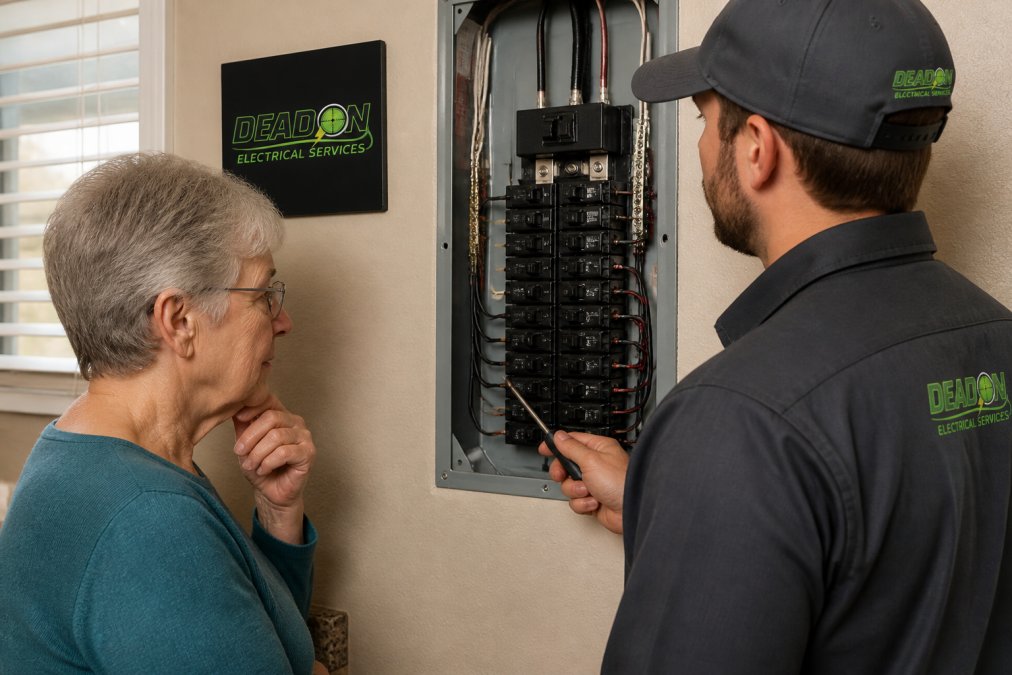
Electrical Panel Safety Inspection: What You Need to Know
Your electrical panel is the heart of your home’s electrical system. It distributes power to all circuits and protects them with breakers. If the panel is in poor condition, your entire home is at risk.
Signs Your Panel Needs Professional Attention
Do not open your panel yourself. The main service is live and dangerous. But you can visually inspect the exterior:
- Rust or corrosion on the panel cover, indicates moisture inside
- Breakers that are partially tripped or stuck, failing breakers
- Burn marks or scorch marks, sign of arcing or overheating
- A burning smell coming from the panel, stop using electricity and call an electrician immediately
- Visible wires or loose connections inside (if the cover is off), dangerous and needs repair
- A panel that is too hot to touch, indicates overload or internal fault
Heat and Electrical Load Concerns
In the Las Vegas Valley, extreme heat stresses electrical panels. Extreme Las Vegas heat can add thermal stress to outdoor electrical equipment, especially when equipment is exposed to direct sun or already operating near its capacity. If your panel is in direct sun (such as on an exterior wall), consider shade or a professional assessment of whether it’s handling the heat safely.
Reduce Tripping Hazards and Improve Accessibility
Falls from tripping on cords are a leading cause of injury for seniors. Simple changes reduce this risk significantly.
- Secure cords along baseboards or walls using clips or conduit, keep them out of walkways
- Use cord covers in high-traffic areas to prevent tripping
- Remove extension cords from rooms when they’re not in use
- Keep pathways to bathrooms, bedrooms, and exits clear
- Use nightlights with built-in outlets to avoid cords for bedside lamps
- Consider installing additional outlets in key locations so cords do not have to run across rooms
- Outlets at a higher or lower height for easier reach
- Switches with larger, easier-to-operate handles
- Motion-sensor lighting in hallways and bathrooms
- Outlets with larger receptacles for easier plug insertion
These modifications make daily life safer and more independent.
When to Call a Qualified Electrician
Some electrical work is safe for homeowners. Most is not. Knowing the difference keeps you safe.
Call a licensed electrician for:
- Any damaged wiring, outlets, or appliances
- Breakers that trip frequently
- Outlets or switches that are warm or spark
- Installing new circuits or outlets
- Electrical panel inspection or repair
- Upgrading older wiring or panels
- Installing GFCI protection
- Any burning smell or visible damage
What you can safely do yourself:
- Visually inspect cords and plugs for damage
- Reset a tripped breaker (once, if it trips again, call an electrician)
- Unplug and replace a damaged extension cord
- Move furniture away from outlets to improve air circulation
- Keep appliance vents clear of dust
Frequently Asked Questions
What are the most common electrical fire hazards in older homes?
Older homes often have outdated wiring, aluminum wiring, or overloaded circuits that weren’t designed for modern appliance loads. Frayed wires, worn insulation, and deteriorated outlets create short circuit risks. Homes with cloth-wrapped wiring from the 1960s and earlier are particularly vulnerable. A licensed electrician can identify these hazards during an electrical safety inspection and recommend upgrades to your electrical distribution system.
Why is GFCI protection important in kitchens and bathrooms?
Ground fault circuit interrupter outlets detect water contact and instantly shut off power to prevent electrical shock. Kitchens and bathrooms are high-risk areas where water and electricity meet. GFCI protection is required by code in these locations. Installing or upgrading to GFCI outlets is one of the most effective ways to prevent serious injury and is a straightforward safety modification a licensed electrician can handle.
How does extreme heat affect home electrical systems?
Heat accelerates wear and tear on wiring insulation, outlets, and electrical equipment. In hot climates, outdoor electrical components degrade faster, and air conditioning units place heavy loads on circuits. Proper heat dissipation around electrical panels and equipment is critical. If your home runs multiple high-demand appliances during peak summer heat, your electrical load may exceed your panel’s capacity, causing breakers to trip frequently.
When should I have a professional electrical inspection?
Have a qualified electrician inspect your electrical system if you notice flickering lights, burning smells, frequently tripping breakers, warm outlets, or if your home is over 40 years old. Any signs of faulty electrical wiring warrant immediate professional evaluation. Regular preventative maintenance inspections help catch hazards before they become emergencies. A licensed electrician can assess your panel, wiring, outlets, and overall electrical safety.