
Table of Contents
- Why You Need a Licensed Electrician in Summerlin
- Common Electrical Problems We Troubleshoot
- EV Charger Installation Requirements for Your Home
- Home Electrical Safety Inspection Checklist
- When Your Electrical Panel Needs an Upgrade
- How Dead On Electrical Services Delivers Same-Day Solutions
- Conclusion
- Frequently Asked Questions
Last Updated: September 4, 2026
Why You Need a Licensed Electrician in Summerlin
Hiring a licensed electrician in Summerlin homeowners can trust starts with understanding that electrical work isn’t the place to cut corners. Faulty wiring, overloaded circuits, and improper installations are leading causes of residential fires, and the risk only grows in a desert climate where air conditioners and pool pumps push electrical systems hard for much of the year.
At Dead On Electrical Services, we’ve spent years troubleshooting the unique electrical challenges that come with Summerlin homes. A licensed electrician doesn’t just know how to make repairs; they understand the National Electrical Code, local amendments, and how to diagnose problems safely. When you work with a qualified professional, you get work performed safely, to applicable code, with permits and inspections when required.
The reality is that many homeowners don’t discover they have an electrical problem until something fails. By then, what could have been a simple fix has often become a larger issue. That’s why knowing the warning signs and acting early matters.
Below, we’ll walk through the most common electrical problems we see in Summerlin homes, what causes them, and when you should call for help.
Common Electrical Problems We Troubleshoot
Frequent Breaker Tripping: Causes and Solutions
A circuit breaker that trips occasionally isn’t unusual, but when it becomes a regular occurrence, something is wrong. Frequent breaker tripping causes range from overloaded circuits to short circuits or a failing breaker itself.
In Summerlin, we often see this issue in older homes where the original electrical panel wasn’t designed for modern demand. Think about everything running in a typical kitchen now: the microwave, air fryer, dishwasher, and refrigerator. That’s a lot of draw on circuits that may have been installed decades ago.
The first step is identifying which circuit is tripping and what’s plugged into it. If unplugging devices stops the trips, you’re likely dealing with an overload. If the breaker trips even with nothing plugged in, you may have a short circuit or a worn-out breaker that needs replacement.
GFCI Outlets and Bathroom Safety
Ground Fault Circuit Interrupter outlets are required in bathrooms, kitchens, garages, and outdoor locations. These outlets are designed to cut power quickly if they detect a ground fault, protecting you from shock.
A common issue we encounter is GFCI outlets that trip frequently or won’t reset. This can happen for several reasons: moisture intrusion, a faulty appliance plugged into the circuit, or simply an aging outlet that needs replacement. In Las Vegas, we also see GFCI issues with outdoor outlets and pool equipment where dust and heat take a toll.
Testing your GFCI outlets monthly is simple: press the “test” button, and the “reset” button should pop out. Press reset to restore power. If the outlet doesn’t respond correctly, it’s time for a replacement.
Flickering Lights and Outlet Issues
Flickering lights can be harmless, like a loose bulb, or they can signal a serious problem with your wiring. When flickering happens across multiple rooms or gets worse when you turn on an appliance, it often points to loose connections or an overloaded panel.
Dead On Electrical Services frequently diagnoses outlet issues that other electricians have missed. Loose connections behind walls, worn receptacles, and improper wiring can cause intermittent problems that are hard to trace without experience.
EV Charger Installation Requirements for Your Home
Many Level 2 EV chargers are installed on 40-, 50-, or 60-amp circuits, depending on the charger output. Your electrical panel needs sufficient capacity, which a licensed electrician can determine with a load calculation. Depending on the home, load management or a panel upgrade may be necessary.
Technical Requirements
Most Level 2 chargers require a 40-amp or 50-amp circuit, which means your electrical panel needs sufficient capacity. In older Summerlin homes, that often means a panel upgrade is necessary before the charger can be installed safely.
A licensed electrician will perform a load calculation to determine whether your panel can handle the additional demand. This involves reviewing your current panel capacity, the amperage of your main breaker, and the total load of all circuits in your home. Adding a high-draw appliance like an EV charger to an already maxed-out panel is a recipe for tripped breakers and potential damage.
Running properly sized wiring based on the circuit rating, conductor type, and installation method. Depending on your setup, this may require work in your garage, attic, or exterior walls. The charger must be mounted at a safe height and distance from water sources.
Permitting and Code Compliance: Where Unlicensed Installers Cut Corners
This is where the difference between a licensed electrician and an unlicensed handyman becomes critical. EV charger installation requires electrical permits and inspection in most jurisdictions. Permits exist for a reason: they ensure the work meets the National Electrical Code (NEC) and local amendments, protecting your home and your investment.
- – When you hire a licensed electrician, they handle the permitting process. This includes:
- – Applying for the required electrical permit
- – Providing charger, circuit, and load information when required
- – Coordinating required inspections
- Making sure the installation meets applicable electrical code before final approval If you hire an unlicensed contractor to install a charger without permits, you’re exposed to several risks. Unpermitted or improperly installed work can create safety problems and may complicate insurance claims, inspections, or a future home sale
- – Applying for the required electrical permit
In the Las Vegas Valley, the permitting authority depends on the property address. Summerlin properties may fall under the City of Las Vegas or Clark County, including unincorporated Summerlin South. A local licensed electrical contractor can determine the applicable jurisdiction and permitting requirements.
Planning for Future Demand
When we install an EV charger, we also think about your home’s future electrical needs. If you’re planning to add solar panels, a backup generator, or additional circuits for a home addition, the panel upgrade we do now should account for that. A proper load calculation and panel design prevents the need for another expensive upgrade in a few years.
Home Electrical Safety Inspection Checklist
A home electrical safety inspection is one of the most valuable investments you can make as a homeowner. It identifies potential hazards before they become emergencies. But knowing what to look for, and understanding which findings are urgent versus routine, is just as important as the inspection itself.
When our electricians perform an inspection, we work through a systematic checklist. More importantly, we explain what each finding means and whether it requires immediate attention. You can use this same framework to understand what we’re looking for and when to call:
Urgent Issues (Call a Licensed Electrician Today)
- Outlets or switches that are warm, discolored, or smell like burning plastic. This indicates overheating wiring or a failing component. Do not use that outlet or switch until it’s been inspected. Overheated connections are a leading cause of residential electrical fires.
- Breaker that trips repeatedly, even with nothing plugged in. This suggests a short circuit or failing breaker. Repeatedly resetting it masks the problem and allows dangerous current to flow through damaged wiring.
- Exposed wiring, damaged cable, or signs of rodent chewing in the attic, crawlspace, or exterior. Exposed conductors and animal damage create shock and fire hazards.
- Flickering or dimming lights that worsen when you turn on an appliance. This often points to loose connections at the panel or in the wall, which can arc and overheat.
- Electrical panel that is warm to the touch, shows signs of rust or corrosion, or has a burning smell. The panel is the nerve center of your home’s electrical system. Any sign of distress requires immediate diagnosis.
- GFCI outlets in bathrooms or kitchens that won’t reset or trip constantly. These outlets protect you from shock. If they’re not working, you’re unprotected in high-risk areas.
Routine Maintenance (Schedule Within the Next Month)
- Test all GFCI outlets monthly by pressing the test button; the reset button should pop out. Press reset to restore power. If the outlet doesn’t respond, it needs replacement.
- Check for loose plugs or outlets that don’t grip cords firmly. Loose connections generate heat and can fail over time. Replacement is straightforward.
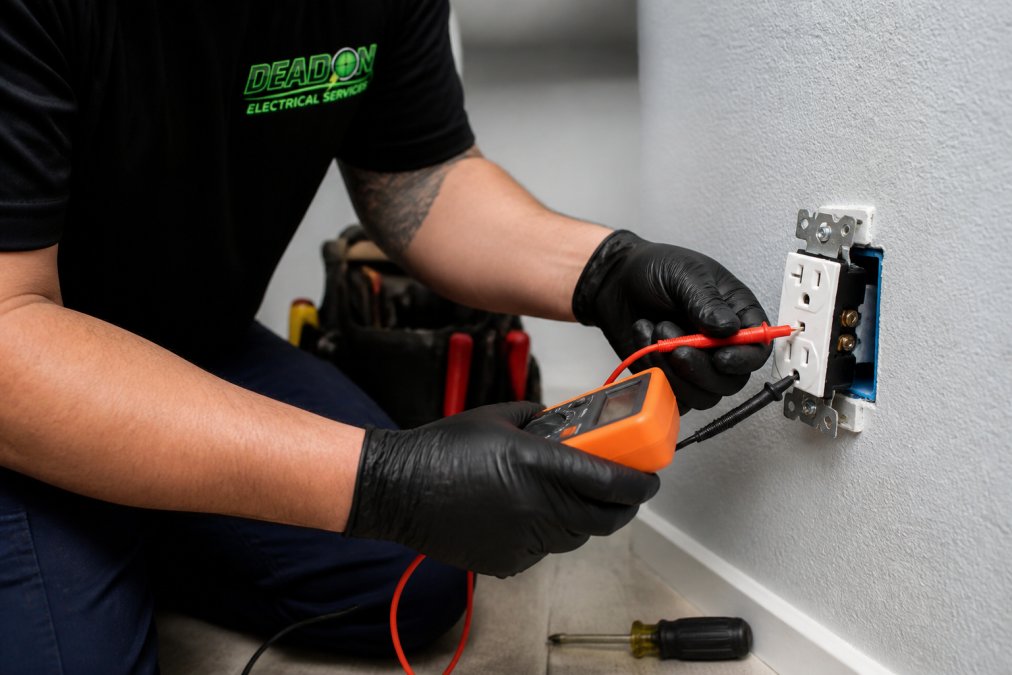
- Verify that three-prong outlets are actually grounded. Not all three-prong outlets are properly wired to ground. A licensed electrician can test this with a simple tool.
- Look for DIY modifications, amateur wiring, or non-standard installations. If you’ve had previous electrical work done by unlicensed contractors, a professional inspection can identify code violations or unsafe practices.
- Review the age and condition of your electrical panel and wiring. Panels older than 30 years, especially those using fuses instead of breakers, should be evaluated for upgrade.
- Check that circuit breakers are labeled clearly and that you know which breaker controls which room or appliance. Unlabeled panels make emergencies harder to manage.
In the Las Vegas Valley, we also pay special attention to outdoor electrical equipment, pool and spa wiring, and the effects of extreme heat on outdoor circuits and disconnects. Heat accelerates the breakdown of insulation and connections, so outdoor systems often need more frequent inspection than they would in cooler climates.
When Your Electrical Panel Needs an Upgrade
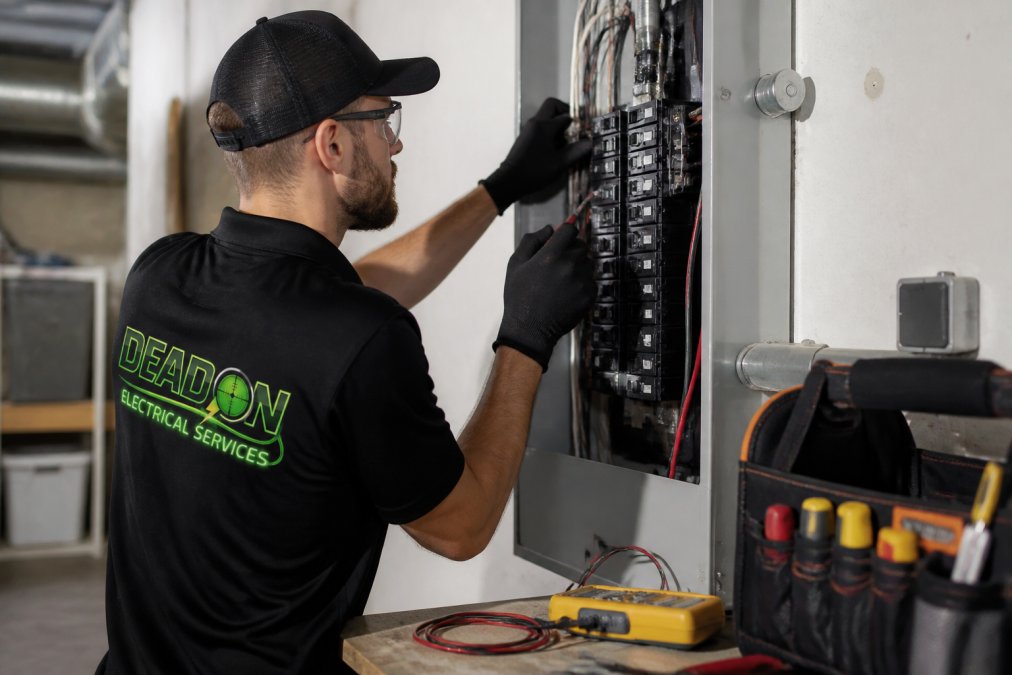
Your electrical panel is the heart of your home’s electrical system. When it’s outdated or undersized, everything else suffers. Many Summerlin homes still have panels that were installed 30 or more years ago, and those panels often weren’t designed for today’s electrical load.
Signs that your panel may need an upgrade include frequent breaker trips, lights that dim when appliances turn on, and a panel that feels warm to the touch. If your panel uses fuses instead of circuit breakers, or if it’s a brand that’s known to have safety issues, replacement should be a priority.
A panel upgrade is a significant project, but it’s one of the smartest investments you can make in your home. It improves safety, increases your home’s value, and prepares your electrical system for future needs like EV charging or a home addition.
The process involves coordinating with your utility company, pulling permits, and having the work inspected. A licensed electrician handles all of this, ensuring the upgrade meets current code and passes inspection the first time.
How Dead On Electrical Services Delivers Same-Day Solutions
When electrical problems arise, waiting days for a repair isn’t practical. That’s why many Summerlin homeowners search for a licensed electrician Summerlin same day response. Dead On Electrical Services works to accommodate urgent requests whenever possible, dispatching experienced technicians to diagnose and resolve issues quickly.
Our approach is straightforward. We listen to what you’re experiencing, perform a thorough diagnosis, and explain your options clearly. We don’t recommend unnecessary work, and we don’t leave you guessing about what needs to happen next.
As a local company established in 2018, we understand the specific electrical challenges of Las Vegas Valley homes. From extreme heat affecting outdoor equipment to older panels struggling with modern demand, we’ve seen it all. Our licensed and insured electricians provide industry-standard work on everything from simple outlet repairs to complex panel replacements.
We also offer a 10% discount for military members, seniors, and first responders, because we believe in supporting the people who support our community.
Conclusion
Electrical problems don’t wait, and neither should you. Whether you’re dealing with frequent breaker trips, planning an EV charger installation, or ready for a safety inspection, working with a licensed electrician in Summerlin gives you peace of mind that the job is done right.
Dead On Electrical Services brings years of field experience to every call. We’re licensed, insured, and committed to honest, quality work that keeps your home safe and powered. When you need an electrician who shows up on time and explains what’s happening in plain language, we’re ready to help.
Get started with Dead On Electrical Services and get your electrical issues resolved promptly and professionally. Call now to schedule your service.
Frequently Asked Questions
Why is it important to hire a licensed electrician for home repairs?
A licensed Nevada electrical contractor has met state licensing requirements and must maintain the required contractor bond. Dead On Electrical Services is licensed and insured, and our work is performed to applicable electrical codes and permitting requirements
What are the most common electrical problems in older homes?
Older homes often have undersized panels that can’t handle modern electrical loads, outdated wiring that degrades over time, missing or faulty GFCI protection, and insufficient grounding. Many older homes in the area still have aluminum wiring, which oxidizes and creates loose connections. These issues cause flickering lights, frequent breaker trips, and fire risk. A licensed electrician can diagnose these problems and recommend panel upgrades or rewiring to bring your home up to current code standards.
How do I know if my electrical panel needs an upgrade?
Your panel may need an upgrade if you’re experiencing frequent breaker trips, your home feels like it’s constantly running out of power, you want to add major appliances like EV chargers or heat pumps, or your panel is more than 25 years old. An electrical inspection will reveal whether your current service capacity matches your actual usage and future needs. A licensed electrician can assess your load and recommend whether a panel upgrade is necessary.
What should I consider before installing an EV charger at home?
Before installing an EV charger, consider the charger type (Level 1 uses a standard outlet; Level 2 requires a dedicated 240V circuit), your electrical panel’s available capacity, the location where you’ll mount the charger, and local permitting requirements. Most Level 2 installations require a licensed electrician to run a dedicated circuit and ensure proper grounding and safety disconnects. A professional assessment will determine whether your panel can support the charger or if an upgrade is needed.